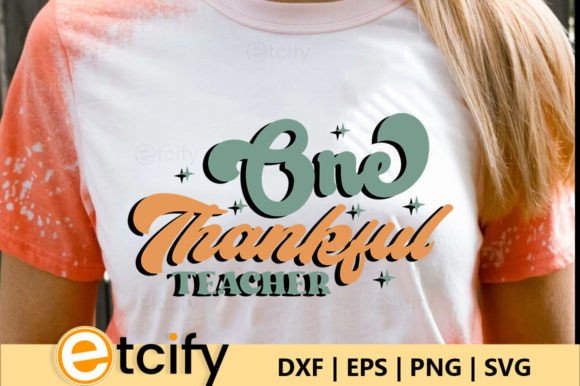
One Thankful Teacher Retro SVG: An Embroidery Review
As a professional embroidery designer and product reviewer, I approach every new graphic with a specific question: will this actually stitch out well, or is it just a pretty screen image? When evaluating the One Thankful Teacher Retro SVG, my focus shifts immediately from digital aesthetics to physical application. This design carries a distinct nostalgic warmth that appeals strongly to the education community, but translating retro graphics into thread requires careful consideration of stitch density, fabric choice, and end-use durability. For Etsy sellers, craft business owners, and makers planning their autumn inventory, understanding how this artwork performs as an embroidery project is essential before committing to production.
Capturing the Retro Mood in Thread
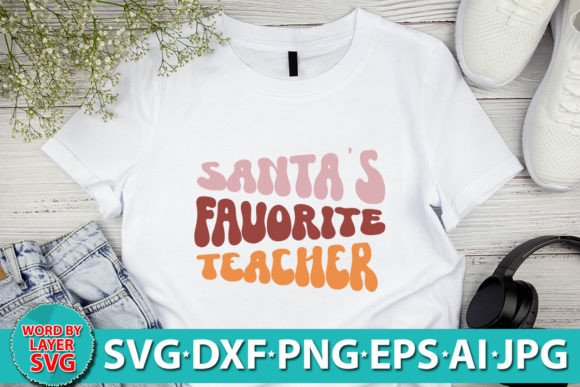
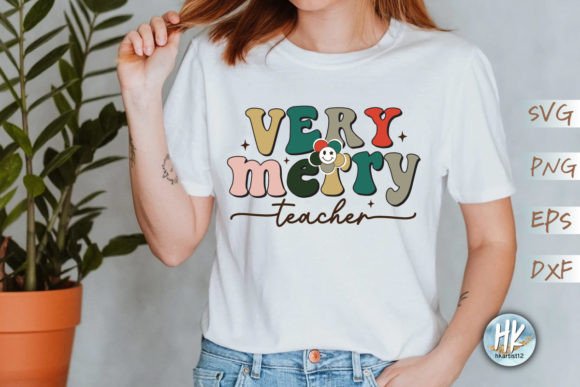
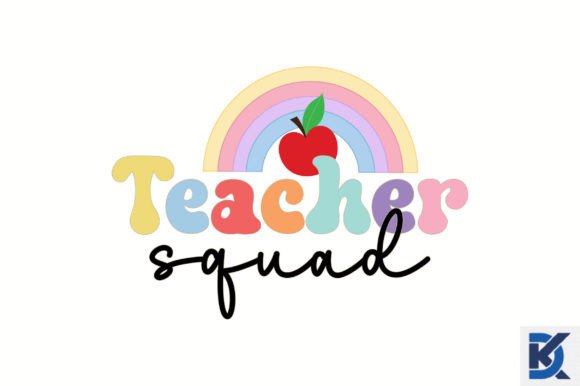
The first impression of the One Thankful Teacher Retro SVG is one of vintage charm. The layout typically features groovy, flowing typography paired with classic scholastic iconography like apples, books, or pencils. Visually, it evokes a 1970s classroom aesthetic that feels cozy rather than dated. However, as a machine embroidery design, this mood relies heavily on color selection and stitch type. Retro designs often utilize warm oranges, mustard yellows, and browns. In embroidery, these colors can sometimes look muddy if the thread colors lack contrast against the base fabric.
I find that this style of graphic naturally belongs on unstructured, organic materials. It does not feel right on shiny performance wear or stiff corporate polos. Instead, it calls for textured cottons, waffle knits, or canvas. The visual personality is soft and appreciative, making it ideal for personalized gifts rather than high-visibility team uniforms. When digitizing or adapting this SVG for needle and thread, the goal is to preserve that handmade, imperfect retro feel without sacrificing structural integrity.
Real-World Application: The Teacher Tote Bag
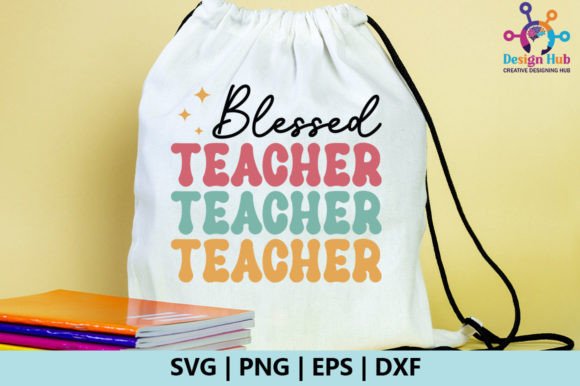
To truly test the viability of the One Thankful Teacher Retro SVG, I envision a specific real-life scenario: creating a heavy-duty canvas tote bag for a teacher appreciation gift or a boutique listing. Teachers carry heavy loads, so the tote bag design must be durable. In this context, the retro lettering presents both an opportunity and a challenge.
If the design uses thin, vintage-style lines, a standard satin stitch might be too narrow to hold up against the friction of daily use. I would recommend converting those retro strokes into a denser fill or a wider satin column to prevent thread breaks. Conversely, if the design includes solid shapes like an apple or a book cover, an applique design approach works beautifully here. Using a felt or cotton appliqué reduces the overall stitch density, keeping the tote bag lightweight and flexible while adding a tactile, layered dimension that enhances the retro vibe. Customers love this mixed-media look because it elevates the perceived value of the finished product beyond a simple embroidered logo.
Sweatshirts and Apparel Considerations
Beyond bags, this graphic is a prime candidate for sweatshirt embroidery. The "thankful" theme aligns perfectly with fall fashion trends. However, sweatshirts are stretchy fleece, which introduces stability issues. When placing the One Thankful Teacher Retro SVG on a crewneck, you must account for fabric distortion. Retro fonts often have tight curves; if the stabilizer isn't adequate, those letters will pucker or gap after washing.
For apparel decorators, I advise testing the design size carefully. A massive back print looks great digitally but can become bulletproof and uncomfortable when stitched. Scaling the design down to a left-chest placement or a centered 4x4 inch hoop area often yields a more wearable, professional result. This restraint actually enhances the retro aesthetic, mimicking vintage school spirit wear rather than modern billboard advertising. Always verify the hoop size compatibility before purchasing, as retro elements can lose legibility if shrunk too small for your machine’s capabilities.
Navigating Fabric Textures and Small Details
Not all projects are created equal. While the One Thankful Teacher Retro SVG shines on smooth cotton and canvas, it requires caution on highly textured fabrics like terry cloth towels or ribbed knits. The intricate details common in retro illustrations—such as leaf veins or script serifs—can get lost in the pile of a tea towel. If you plan to use this for kitchen linens or nursery decor, simplify the file first. Remove tiny accents that won't register clearly in thread.
Similarly, be wary of dark fabrics. Retro palettes often include light creams and pale yellows. On navy or black garments, these threads may require excessive underlay to prevent the fabric color from showing through, which increases stiffness. For baby embroidery items, where softness is paramount, high-density fills required for opacity on dark fabric might make the garment uncomfortable. In such cases, consider using the One Thankful Teacher Retro SVG primarily for lighter backgrounds or adjusting the digitization to prioritize comfort over perfect color blocking.
Commercial Viability for Makers and Sellers
For the Etsy seller or small shop owner, this design offers strong commercial potential due to its niche appeal. However, professionalism dictates thorough preparation. Before listing any custom apparel or holiday embroidery items featuring this graphic, create accurate printable mockups. Digital previews should reflect realistic stitch textures, not just flat vector overlays. Buyers need to trust that the handmade product they receive matches the listing photos.
Furthermore, clarity on licensing is non-negotiable. The product description notes inclusion of SVG files for Cricut and Silhouette, but commercial embroidery rights are distinct from vinyl cutting rights. Always confirm whether your purchase allows for selling finished stitched goods versus digital design assets. Protecting your business means respecting intellectual property. When used correctly and legally, this design can anchor a cohesive autumn collection, driving buyer engagement through recognizable, sentimental imagery that resonates with educators and parents alike.
Essential Designer Notes for Success
To ensure the One Thankful Teacher Retro SVG translates successfully from screen to fabric, follow these practical guidelines:
- Test Stitch First: Never run a production batch without a sew-out on scrap fabric identical to your final project. Check for registration errors between color changes.
- Evaluate Contrast: View the design in black and white before stitching. If the values are too similar, adjust thread colors to ensure readability from a distance.
- Check Licensing: Verify specifically if the license covers embroidered patch sales or physical product creation, as SVG licenses vary widely.
- Stabilizer Selection: Match your stabilizer weight to the fabric. Use cut-away for stretchy sweatshirts and tear-away for stable canvas totes.
- Detail Inspection: Zoom in to 200% in your software. Any element thinner than 1mm may need to be widened or removed to prevent needle breaks.
- Wash Testing: If selling small shop products intended for frequent use, wash your test sample three times to ensure the retro stitches don't unravel or distort.
Ultimately, the One Thankful Teacher Retro SVG is a versatile asset for the creative entrepreneur. By treating it as a blueprint for thread rather than just a digital decoration, you honor both the craft and the customer. Whether you are crafting a heartfelt gift or building a seasonal product line, thoughtful execution transforms a simple graphic into a cherished keepsake.