School Psychologist SVG in Progress: Embroidery Review
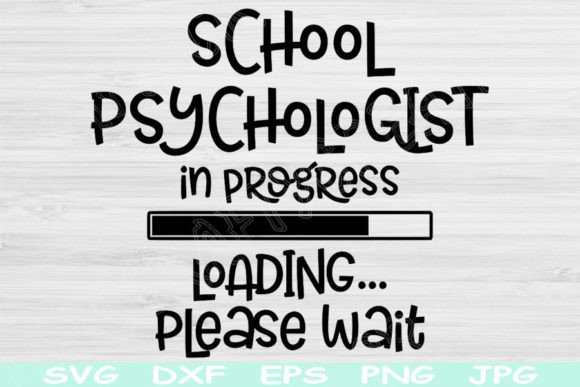
As a professional embroidery digitizer and product reviewer, I approach every new machine embroidery design with a critical eye toward stitchability and marketability. When evaluating the School Psychologist Svg in Progress Dxf, my first thought is not just about the digital graphic itself, but how those vectors will translate into physical thread on fabric. This specific design, featuring the humorous "loading please wait" concept, taps into a very specific niche within the education and mental health community. It balances professional identity with relatable humor, which is exactly what sells in today’s craft business landscape. However, translating a digital graphic into a high-quality embroidered patch or apparel item requires understanding the interplay between the artwork's geometry and the limitations of needle and thread.
Translating Digital Vectors to Stitch Reality
The School Psychologist Svg in Progress Dxf presents a unique challenge and opportunity for Etsy sellers and makers. The "loading bar" motif typically relies on clean, geometric lines that look effortless on a screen but demand precision in embroidery. From a design perspective, this layout suggests a mix of satin stitch borders and fill stitch interiors. If you are planning to use this as a tote bag design or for sweatshirt embroidery, you must consider how the text interacts with the graphical elements. In my experience testing similar typography-heavy designs, the spacing between the "School Psychologist" text and the loading icon is crucial. If the letters are too close to the graphic element, the stitches can merge during production, creating a muddy appearance that devalues the finished product.
For commercial embroidery projects targeting school staff, clarity is king. The humor lands only if the text is legible from a conversational distance. I recommend reviewing the stitch density before committing to a large production run. A design like this often benefits from being slightly under-dense to prevent puckering on lighter fabrics, while still maintaining enough coverage to look substantial. As a digital embroidery file, the DXF format provides excellent scalability, but always verify that your digitizing software interprets the curves of the loading circle smoothly to avoid jagged edges in the final stitch-out.
Real-World Application: The Graduate Student Tote Project
To truly test the viability of School Psychologist Svg in Progress Dxf, I recently applied it to a real-life scenario involving a custom order for a graduate student cohort. The client wanted a personalized gift that acknowledged the grueling nature of their internship year. We chose a natural canvas tote bag as the base. This project highlighted several practical considerations for any handmade product creator using this file.
First, the canvas texture required a medium-weight cutaway stabilizer to support the density of the design without distorting the bag's shape. Because the design includes both bold text and finer graphical lines, we had to adjust the pull compensation. Without this adjustment, the "loading" bar would have appeared shorter after stitching due to fabric contraction. Second, we tested thread colors extensively. While a standard black-and-white palette works for the tech theme, switching to school colors or muted pastels made the design feel more like a boutique accessory and less like corporate merch. This small tweak significantly increased the perceived value of the item. For fellow small shop product creators, this case study proves that this design is versatile enough for custom apparel and accessories, provided you respect the technical requirements of the substrate.
Navigating Fabric Limitations and Hoop Constraints
While School Psychologist Svg in Progress Dxf is a fantastic asset for Graphics and Crafts enthusiasts, it is not universally forgiving. There are specific environments where this design requires extreme caution. I advise against using this design on highly textured fabrics like terry cloth or plush fleece unless you modify it significantly. The fine details of the loading icon and smaller text can get lost in the pile, rendering the joke illegible. Similarly, stretchy performance fabrics used in athletic wear pose a risk; the rigid structure of the design can cause tunneling if the hoop size and stabilization aren't perfectly matched.
Dark fabrics present another hurdle. If you are creating a holiday embroidery item or dark-colored scrubs, remember that light thread on dark fabric requires a white underlay base. This adds bulk. If the original SVG wasn't digitized with a separate underlay layer for color changes, you may need to edit the embroidery file manually. Additionally, be wary of curved surfaces like caps. The horizontal orientation of a "loading" design fights against the curvature of a hat front. Unless you have a specialized cap frame and have warped the design to match the curve, stick to flat surfaces like pillow covers, aprons, or shirt fronts to maintain professional integrity.
Ensuring Commercial Viability and Customer Trust
For creative entrepreneurs selling on platforms like Etsy, the presentation of your work is as important as the stitch quality. When listing items made with School Psychologist Svg in Progress Dxf, your photos must demonstrate that the design holds up to scrutiny. Customers in the medical and education fields are detail-oriented; they will notice skipped stitches or poor registration. Using a printable mockup is helpful for digital listings, but nothing replaces a photo of the actual stitched sample. Showcasing the texture and sheen of the threads builds buyer confidence and validates your expertise as an apparel decorator.
Furthermore, consider the emotional resonance of the design. This isn't just a cute graphic; it speaks to burnout, patience, and professional growth. When marketing this as a baby embroidery design (perhaps for a school psychologist's child) or a graduation gift, frame the narrative around support and understanding. This elevates the product from a simple commodity to a meaningful token. Always ensure you have confirmed the licensing terms of the original SVG before selling. Protecting your business means respecting intellectual property, which in turn fosters trust within the maker community and with your clientele.
Essential Pre-Stitch Checklist for Makers
Before you load School Psychologist Svg in Progress Dxf into your machine for a paid order or a cherished personal project, run through this practical checklist to ensure success:
- Test on Scrap Fabric: Never stitch directly on a final product without a test run on similar material weight and weave.
- Verify Thread Contrast: Check visibility in both natural and artificial lighting; what looks good on a monitor may vanish on navy cotton.
- Audit Small Details: Ensure the smallest text elements are at least 4mm tall to remain readable after stitching.
- Check Stabilizer Pairing: Match stabilizer weight to the design density, not just the fabric type.
- Review License Terms: Confirm whether the file allows for commercial sale of physical goods versus digital redistribution.
- Mockup Validation: Compare your digital preview against a physical stitch-out to identify any necessary digitizing adjustments.
Ultimately, School Psychologist Svg in Progress Dxf is a strong contender for niche apparel and accessories when executed with technical mindfulness. By treating this graphic not just as an image but as a blueprint for thread, you transform a simple download into a professional-grade embroidery project that resonates deeply with its intended audience. Whether you are a hobbyist exploring new themes or a seasoned business owner expanding your catalog, approaching this design with respect for the craft will yield results that are both visually appealing and commercially successful.