Teaching My Tribe Teacher Design SVG Review
As a professional embroidery digitizer and product reviewer, I approach every new graphic with a specific question: will this actually stitch out well on real fabric? When evaluating the Teaching My Tribe Teacher Design SVG, my focus shifts immediately from screen aesthetics to needle performance. This design carries a distinct boho-educational vibe that resonates deeply with current market trends, but translating a digital vector into a tangible machine embroidery design requires careful consideration of structure, density, and end-use application.
First Impressions and Visual Personality
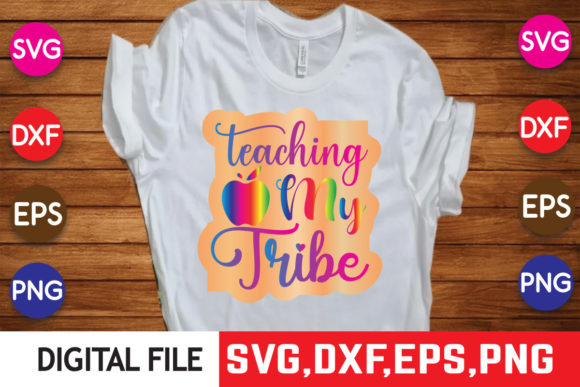
Upon opening the file, the layout presents a balanced composition typical of high-quality Graphics intended for apparel. The phrase "Teaching My Tribe" suggests a community-focused, warm narrative rather than a rigid academic aesthetic. Visually, the design likely incorporates organic shapes or tribal-inspired geometric elements alongside typography. For an Etsy seller or craft business owner, this mood is gold. It targets a specific niche of educators who value connection and holistic teaching methods.
However, as a reviewer, I look beyond the pretty preview. The interplay between text and graphical elements dictates how this will function as an embroidery project. If the tribal elements are intricate line work, they may require a running stitch or redwork style. If they are solid shapes, we are looking at fill stitches or potentially an applique design opportunity. The visual weight appears centered, which is excellent for placement on a sweatshirt embroidery chest area or a tote bag design, ensuring the focal point remains stable during hooping.
Real-World Application: The Teacher Appreciation Tote
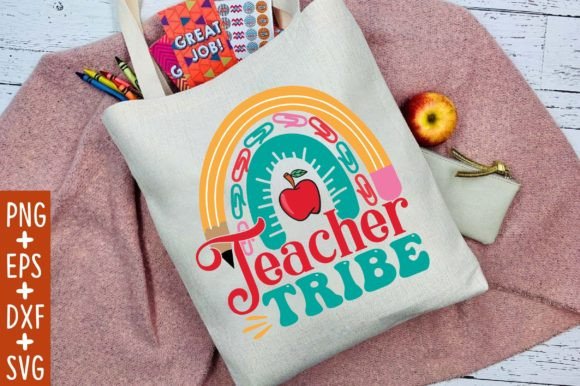
To truly test the viability of the Teaching My Tribe Teacher Design SVG, I mentally placed it in a real-life production scenario. Imagine preparing a custom canvas tote bag as a personalized gift for a head teacher retiring after twenty years. Canvas is a sturdy, textured fabric that demands respect. A flimsy design would get lost in the weave; an overly dense design would cause puckering or needle breaks.
In this scenario, the design needs to anchor firmly. If the SVG contains bold lettering, converting it to a satin stitch column or a textured fill stitch would provide necessary coverage against the canvas grain. The "tribe" aspect of the design offers a unique opportunity for color blocking. Using variegated thread colors for the graphical elements could add depth without increasing stitch density excessively. For a handmade product like this, the goal is a finish that feels premium and durable enough to carry books and supplies daily. The design’s theme aligns perfectly with the utility of the item, creating emotional resonance that boosts perceived value for the recipient and potential buyers viewing your portfolio.
Fabric Compatibility and Technical Constraints
Not every surface welcomes this type of artwork equally. While the Teaching My Tribe Teacher Design SVG shines on stable substrates, caution is required elsewhere. Here is where practical judgment matters most:
- Stretchy Knits and Baby Clothes: If adapting this for baby embroidery or lightweight teacher tees, the stabilizer choice is non-negotiable. Tribal details often involve directional stitching that can distort knit fabrics. Always use a cut-away stabilizer and consider a water-soluble topping to prevent stitches from sinking into the pile.
- Caps and Curved Surfaces: Unless the design has been specifically digitized for curved surfaces, avoid placing complex tribal patterns on structured caps. The distortion inherent in cap framing can warp geometric symmetry, making the "tribe" motif look uneven.
- Dark Fabrics: High contrast is key. If stitching on navy or black sweatshirts, ensure the thread colors selected have enough luminance to pop. Detailed shading in the original SVG might need to be simplified into solid blocks of color to maintain clarity on dark backgrounds.
- Small Hoop Sizes: Intricate tribal patterns lose definition when scaled down below 3 inches. Tiny gaps between fill areas may close up, turning distinct symbols into muddy blobs. Verify the minimum safe size before committing to a 4x4 hoop project.
Commercial Viability for Makers and Sellers
For those running a small shop product line or selling on Etsy, this design serves as a versatile asset. The "Teacher" keyword combined with unique styling allows for differentiation in a saturated market. However, professionalism hinges on execution. A finished product featuring this design must exhibit clean registration and appropriate density. Buyers trust sellers who understand that a digital file is merely a blueprint; the physical result proves the quality.
When creating printable mockups or listing photos, show the design on realistic textures. Flat digital previews do not convey how light catches satin stitches or how texture interacts with fabric. Demonstrating the design on a variety of items—from aprons to pillow covers—signals versatility to customers. Furthermore, if you offer commercial embroidery services to local schools, this design bridges the gap between institutional branding and personal style, making it an attractive option for staff merchandise that teachers actually want to wear.
Critical Pre-Stitch Checklist for Designers
Before loading the digital embroidery file into your machine, run through this practical evaluation protocol. These steps separate hobbyist attempts from professional results:
- Verify File Integrity: Ensure you have the correct format for your machine. Since the source is an SVG, confirm it has been properly digitized into stitches (PES, DST, JEF, etc.) rather than just converted. Vector-to-stitch auto-digitizing often yields poor results for complex tribal art.
- Test Stitch Density: Run a sew-out on scrap fabric identical to your final project. Check for bullet holes (too dense) or fabric showing through (too sparse). Adjust pull compensation if letters are shrinking or distorting.
- Color Contrast Test: View the design in grayscale or black-and-white within your software. If the design loses its hierarchy and readability without color, the structural digitizing needs adjustment. Good embroidery relies on value contrast, not just hue.
- Licensing Confirmation: Crucial for design assets. Double-check the specific license terms provided by the store. Does it allow for selling finished physical products? Does it prohibit selling the digital file itself? Never assume commercial rights exist without written confirmation.
- Stabilizer Matching: Match your backing to the fabric weight and design density. A heavy tribal fill on a tea towel requires different support than the same design on a polyester performance shirt.
Final Verdict on Project Suitability
The Teaching My Tribe Teacher Design SVG holds significant promise for makers who treat their craft with technical respect. Its strength lies in its thematic specificity and visual warmth, making it ideal for holiday embroidery gifts, end-of-year appreciation items, and boutique teacher apparel. Success depends entirely on respecting the relationship between the digital art and the physical medium.
By approaching this design with a critical eye toward stabilization, density, and fabric choice, you transform a simple graphic into a high-value custom apparel piece. Whether you are creating a one-off embroidered patch or launching a full collection for your craft business, let practical testing guide your process. The most beautiful screen preview means nothing if the needle cannot execute it cleanly. Validate your settings, honor the licensing, and stitch with confidence knowing the design has been evaluated for real-world performance.