Test Day SVG Review: Teacher Embroidery Insights
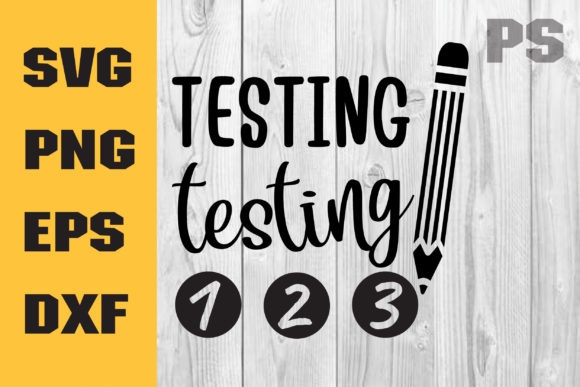
As a designer who has digitized and stitched countless educational graphics, I approach every new file with a critical eye. When evaluating the Test Day Svg, Testing 1 2 3 Svg, Teacher design, my first thought isn't just about how cute it looks on a screen, but how it will survive the needle. This graphic carries a distinct retro-academic nostalgia that is currently trending in the Crafts category, but translating that pixel-perfect vector into a tangible machine embroidery design requires understanding its structural integrity. The layout suggests a playful yet structured aesthetic, likely featuring bold typography and iconic testing imagery like pencils or checkmarks. For an Etsy seller or small shop product creator, this specific theme targets a high-demand niche: teacher appreciation, back-to-school season, and student milestones. However, before you hoop up your stabilizer, we need to discuss how this digital asset performs when thread hits fabric.
Translating Vector Graphics to Stitched Reality
The provided files include SVG for cutting machines, PNG for transparent backgrounds, and EPS for vector editing. While these are excellent Graphics formats, they are not native embroidery file types like DST or PES. This means if you intend to stitch this design, you must either use it as an appliqué template or digitize it yourself. From a reviewer’s perspective, this versatility is a strength for mixed-media creators but a caution flag for pure embroiderers. If you are using the SVG to cut felt or cotton for an applique design, the clean lines of "Testing 1 2 3" are ideal. The geometry typically associated with test-day themes allows for crisp satin stitch borders and manageable fill areas. However, if you are manually digitizing this from the EPS file, pay close attention to the lettering. Retro fonts often have varying stroke widths that can cause puckering if not compensated for during the digitizing process. A successful custom apparel project depends entirely on respecting the relationship between the original vector shape and the physical limitations of thread tension.
Real-World Application: The Teacher Tote Bag Test
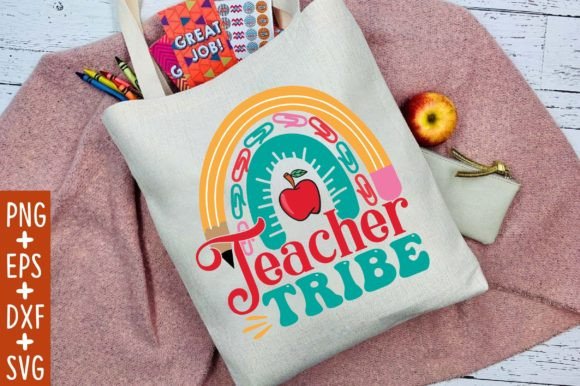
To truly evaluate this design, I mentally placed it on a canvas tote bag intended as an end-of-year gift for a kindergarten teacher. This is a classic tote bag design scenario because canvas provides a stable foundation for detailed graphics. In this real-life application, the "Testing 1 2 3" motif serves as a humorous, relatable badge of honor for educators. Visually, the design needs to be centered and scaled appropriately; too small, and the text becomes illegible from a distance; too large, and it overwhelms the bag's utility. I envision pairing this graphic with a contrasting thread color, perhaps a vintage mustard or slate blue against natural canvas, to enhance readability. As a personalized gift, adding the teacher’s name below the main graphic in a simple running stitch would elevate the perceived value without cluttering the composition. This specific use case highlights why checking your hoop size beforehand is non-negotiable. You want the design to breathe within the hoop margins to prevent registration errors that could ruin both the fabric and the professional finish of the handmade product.
Fabric Variables and Stabilizer Strategy
Not all projects are created equal, and neither are fabrics. While the Test Day Svg, Testing 1 2 3 Svg, Teacher design shines on stable woven cottons, it demands careful handling on stretchy knits like sweatshirts or t-shirts. If you are creating sweatshirt embroidery for a boutique collection, the density of the design becomes the primary concern. Heavy fill stitches combined with the natural stretch of fleece can lead to tunneling or distortion. In these cases, I recommend using a cut-away stabilizer rather than tear-away to maintain long-term shape retention. Conversely, if applying this to lightweight baby items or nursery decor, you must reduce the stitch density significantly. Baby embroidery requires a softer hand; dense, rigid stitching on delicate fabric is uncomfortable and unsafe. Always test on scrap fabric first. Check whether the intricate details of the "1 2 3" elements hold up or if they get lost in the weave. For dark fabrics, ensure your underlay is sufficient to prevent the fabric texture from showing through lighter thread colors, which is crucial for maintaining visual clarity in commercial embroidery products.
Commercial Viability and Product Value
For creative entrepreneurs, the question isn't just "does it stitch well?" but "will it sell?" This design taps into the emotional resonance of academic achievement and educator support, making it highly marketable. However, customer trust is built on execution. A sloppy stitch-out on a listing photo screams amateur, while a crisp, well-stabilized sample communicates professionalism. When creating printable mockups or digital previews for your shop, use the included PNG file to show potential buyers what the final result could look like, but always pair it with photos of actual stitched samples. Buyers need to see how the thread colors interact with the fabric texture. Furthermore, consider the longevity of the item. Teacher gifts and school spirit wear undergo frequent washing. Ensure your topstitching and tie-offs are secure so the design doesn't unravel after a few cycles. High-quality construction transforms a simple graphic into a cherished keepsake, directly impacting buyer engagement and repeat business for your craft business.
Critical Pre-Stitch Checklist for Makers
Before committing this design to a final product, run through this practical evaluation list to ensure success:
- Verify Licensing: Confirm whether your purchase includes commercial rights for selling finished physical products or if it is limited to personal use. Never assume; always check the specific license terms provided by the designer.
- Format Compatibility: Remember that SVG, PNG, and EPS are not stitch files. If you lack digitizing software, verify if a pre-digitized embroidery version is available or plan to use the SVG strictly for vinyl/appliqué cutting.
- Contrast Testing: View the design in black and white before stitching. If the values are too similar, the details will vanish. Adjust thread colors to ensure high contrast for readability.
- Detail Inspection: Zoom in on the smallest elements of the "Testing 1 2 3" text. If any part is thinner than 1mm, it may require modification to prevent needle breaks or fabric damage.
- Stabilizer Match: Select your stabilizer based on the end-use fabric, not just the design type. Stretchy fabrics need cut-away; stiff fabrics can handle tear-away.
- Mockup Validation: Use the transparent PNG to create realistic design assets for marketing, but ensure the mockup accurately represents the scale and placement achievable by your machine.
Final Thoughts on Design Integrity
The Test Day Svg, Testing 1 2 3 Svg, Teacher package offers a fantastic foundation for seasonal and educational projects, provided you respect the technical transition from screen to stitch. Its charm lies in its thematic relevance, but its success relies on your craftsmanship. Whether you are producing an embroidered patch for a denim jacket or a heartfelt holiday gift for a mentor, treat the digital file as a blueprint rather than a guarantee. By paying attention to density, stabilization, and fabric compatibility, you ensure that the final finished product honors both the original artistry and your reputation as a maker. Always prioritize a test stitch-out over assumptions, and let the quality of your work speak as loudly as the cleverness of the design itself.