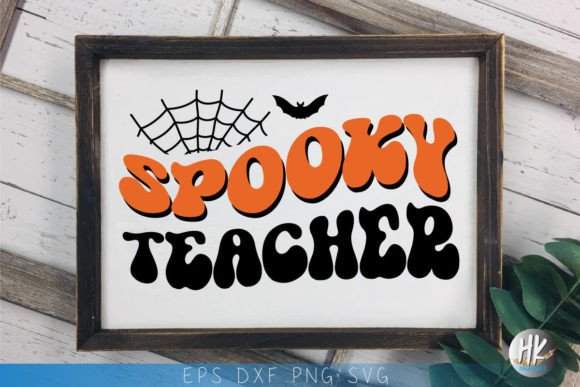
Spooky Teacher Retro SVG: An Embroidery Review
As a designer who spends more time behind an embroidery hoop than a computer screen, I approach every new graphic with a healthy dose of skepticism. When I first opened the Spooky Teacher Retro SVG, my immediate thought was not about how it would look on a screen, but how it would translate into thread. This digital cut file is marketed primarily for cutting machines and print projects, but for those of us in the Crafts and apparel decoration space, the real test is always stitchability. After reviewing the vector lines and visual composition, I can see this design becoming a staple for autumn inventory, provided you understand its strengths and limitations as a machine embroidery design.
First Impressions: Retro Charm Meets Stitch Logic
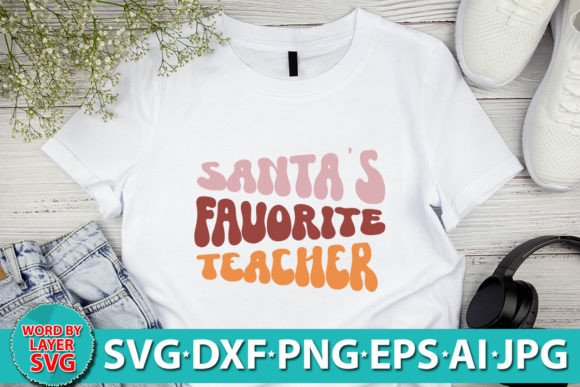
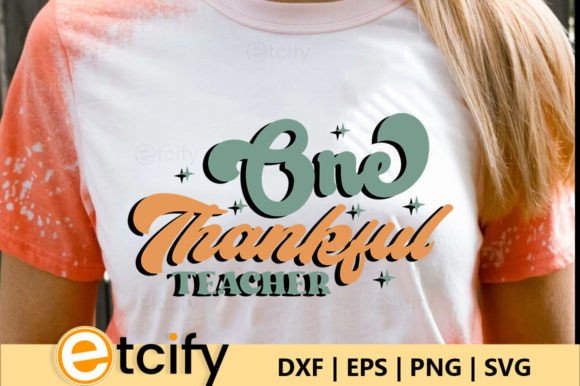
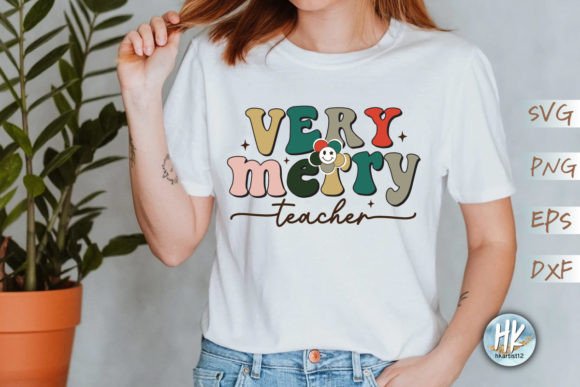
The aesthetic of the Spooky Teacher Retro SVG hits that perfect nostalgic note that is currently dominating the handmade market. The layout suggests a groovy, 70s-inspired typography paired with playful Halloween iconography. Visually, it creates a mood that is festive without being juvenile, making it ideal for adult educators and school staff who want to participate in holiday spirit while maintaining professional style. However, as an embroidery file source, the "retro" aspect presents specific opportunities and challenges.
Retro designs often feature bubbly fonts and organic shapes. In a vector format like SVG or EPS, these lines are crisp and infinite. In embroidery, they require careful digitizing consideration. The bold lettering in this graphic naturally lends itself to satin stitch columns, which is excellent for coverage and vibrancy. However, if the original vectors have varying line weights, you will need to decide whether to maintain that variation through fill stitches or simplify it for consistent satin borders. The personality here is strong, but successful translation requires respecting the physics of thread tension versus digital pixels.
Real-World Application: The Educator’s Tote Bag Test
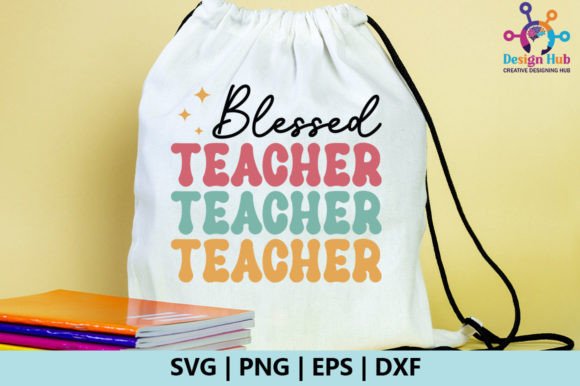
To truly evaluate this asset, I mentally placed it in a real-life production scenario: a custom canvas tote bag for a teacher appreciation gift or fall boutique listing. Teachers carry heavy loads, and their bags endure significant wear. This is where the Spooky Teacher Retro SVG needs to perform beyond just looking cute.
For a tote bag design, the retro elements offer high visibility from a distance. If I were stitching this out, I would likely utilize the design as an applique design rather than a full-density embroidery piece. Why? Because canvas is durable, but dense fill stitch on a large retro font can make the fabric stiff and pucker-prone. By using the SVG outlines as guides for fabric applique, secured with a running stitch and finished with a satin border, you maintain the soft hand-feel of the bag while showcasing the graphic’s bold personality. This approach also reduces stitch count significantly, making it a viable commercial embroidery option for small shop owners who need to balance production time with product value.
Alternatively, for sweatshirt embroidery, this design works beautifully as a center chest placement on a Gildan or Comfort Colors blank. The retro vibe pairs exceptionally well with heathered or garment-dyed fabrics common in modern Etsy seller inventories. Here, the challenge shifts to stabilization. Sweatshirt fleece is stretchy; without proper cut-away stabilizer and potentially a topping, those intricate retro curves could distort. The design’s success on apparel depends entirely on your hooping technique and stabilizer choice.
Navigating Fabric Textures and Hoop Limitations
While the Spooky Teacher Retro SVG is versatile, it demands respect for fabric texture. I would advise caution when applying this design to highly textured surfaces like terry cloth kitchen towels or ribbed knit caps. Retro typography relies on smooth curves and clean edges to read correctly. On a plush towel, fine details can get lost, and the "spooky" elements might look muddy rather than charming. If you must use it on textured goods, consider adding a knockdown stitch layer beneath the design to flatten the pile before stitching the main graphics.
Hoop size is another critical factor. Retro designs are often horizontally oriented or stacked vertically. Before committing this digital embroidery file to a project, measure your usable sewing field. If you are working with a standard 4x4 hoop, you may need to resize or separate elements. Scaling down a complex retro font too far can result in satin stitches that are too narrow to anchor properly, leading to thread breaks or fraying after washing. Always check the minimum safe width for your satin stitches after resizing. Conversely, if you have a larger hoop, ensure the design doesn't become so sparse at a large scale that it loses its cohesive retro identity.
Commercial Viability and Brand Consistency
For Etsy sellers and creative entrepreneurs, this graphic offers strong potential for seasonal revenue. The "Spooky Teacher" niche is evergreen within the education community, and the retro trend shows no signs of slowing down. However, professionalism separates hobbyists from sustainable businesses. When using this Graphics asset for finished products, consistency is key.
I recommend testing the design in both light and dark thread colors against various fabric backgrounds. Retro palettes often include mustard yellows, burnt oranges, and muted teals. Ensure your thread colors provide enough contrast against the base fabric so the design remains legible. A black-and-white mockup test is invaluable here; if the design reads clearly in grayscale, your color choices are solid. Furthermore, verify the licensing terms included in the zipped folder. While the download includes SVG, EPS, DXF, JPG, and PNG formats perfect for print, confirm that commercial embroidery use is permitted if you plan to sell physical goods. Protecting your business means respecting intellectual property boundaries.
Designer Notes for Successful Execution
Before you load the Spooky Teacher Retro SVG into your digitizing software or send it to production, run through this practical checklist to ensure a high-quality handmade product:
- Test on Scrap Fabric First: Never stitch a new design directly onto a client’s order. Use a scrap of the exact fabric and stabilizer combination intended for the final personalized gift or retail item.
- Evaluate Stitch Density: Since this is originally a cut file, you are likely digitizing it yourself or using a pre-digitized version derived from it. Check that fill stitches have appropriate underlay to prevent fabric show-through, especially on darker garments.
- Inspect Small Details: Retro designs sometimes include decorative stars, ghosts, or sparkles. If these elements are smaller than 3mm, consider removing them or converting them to simple running stitches. Tiny satin columns are prone to breaking needles and failing in the wash.
- Stabilizer Selection: Match your stabilizer to the fabric weight. Use tear-away for stable wovens like canvas tote bags, and cut-away for stretchy knits used in custom apparel. For baby embroidery or items touching skin, ensure the backside is smooth and non-irritating.
- Mockup Validation: Create printable mockups using the included PNG or JPG files to show customers what the finished embroidery project will look like. This builds buyer engagement and manages expectations regarding texture and sheen.
- Wash Testing: If selling holiday embroidery or school merchandise, wash and dry your test sample aggressively. Retro satin stitches can pull away from fabric if not anchored correctly. Better to discover structural issues now than after a customer receives their item.
The Spooky Teacher Retro SVG is a delightful asset with genuine potential for the embroidery community. It bridges the gap between trendy digital art and tangible, stitched goods. By approaching it with technical mindfulness and respecting the unique requirements of thread and fabric, you can transform this digital cut file into best-selling custom apparel, cherished gifts, and standout boutique products. Remember, great embroidery isn't just about the design file; it's about the thoughtful execution that turns a graphic into a lasting keepsake.